


Supplements like protein powder and creatine are often marketed as “must-haves” for active people. But what actually are they, and should you consider taking them?
Let’s pull back the curtain on three popular supplements, and separate marketing mumbo-jumbo from the science-based truth.
Understanding Creatine

Creatine is a compound found naturally in your body, primarily in your muscles, and in foods like red meat and fish. Commercial supplements are typically synthesized in a lab to create a concentrated powder.
Creatine is known to help with short bursts of power, like climbing a steep set of stairs. For people over 50, creatine is sometimes used to support muscle maintenance. But it isn’t something to jump into “willy-nilly.” Creatine can cause bloating or stomach upset.
It’s always a “food first” conversation to have with your healthcare provider before considering a tub of it
The Effects of Caffeine
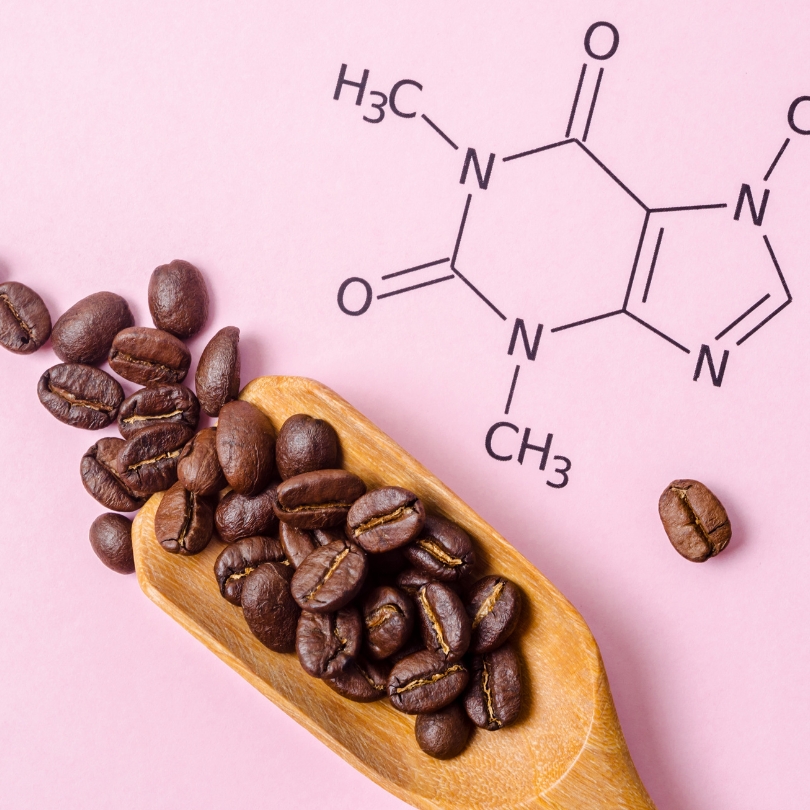
Most of us enjoy a morning cup of coffee for the ritual. But in the fitness world, caffeine is often used specifically to sharpen alertness and improve endurance. It works by blocking certain receptors in the brain that tell you you’re tired.
While caffeine can make a brisk walk feel a bit easier, it isn’t a requirement for a great workout. In fact, for many of us, too much can lead to the jitters, a racing heart, or a restless night’s sleep. If you already enjoy your tea or coffee, you’re likely already seeing these effects without needing any extra “performance” tablets.
The Role of Protein Powder
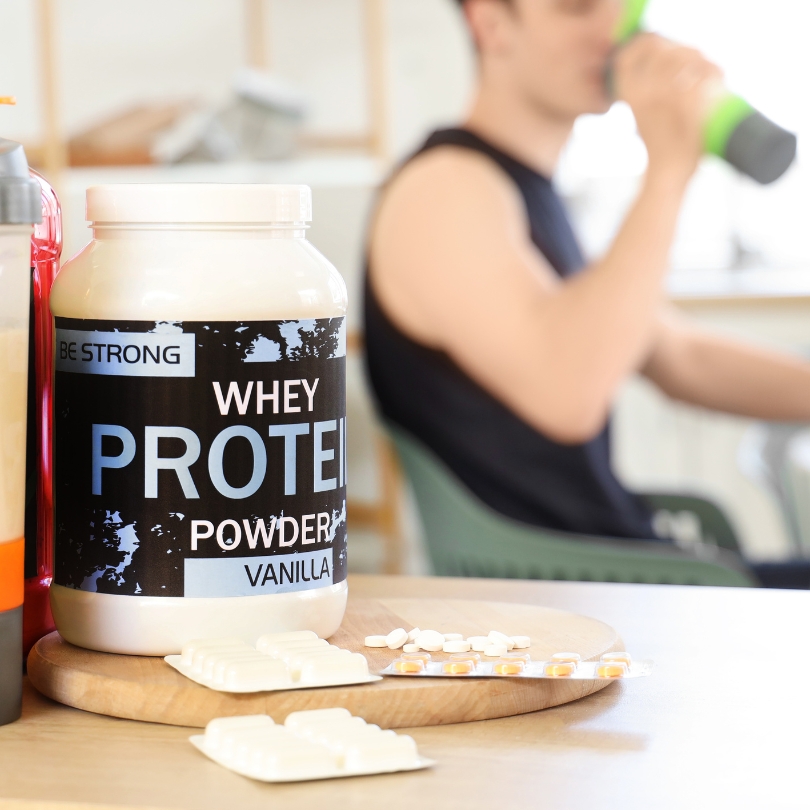
Protein powder is often marketed as a “magic builder,” but it’s really just a convenient, ultra-processed version of what you find in foods like chicken, beans, or Greek yogurt. Most protein powders are made from whey (a byproduct of cheese making) or plant sources like peas and soy.
Protein doesn’t “automatically” lead to muscle gain, and any excess in your body can be stored as fats. Not what you want! The best way to support your muscles is through balanced, whole-food meals. But if you find it difficult to hit your protein targets through food alone – perhaps on a very busy day – it can serve as a simple “gap filler.” Just be aware that many brands add sweeteners or fillers that your body might not actually want.
Making Informed Choices
The most important thing to remember is that supplements are never a replacement for a consistent routine and a healthy diet. Whether it’s the natural energy boost from caffeine or the convenience of a protein shake, these are just options on the shelf. For most of us, focusing on our movement and enjoying our meals is more than enough.
If you’re curious about any of these, I always recommend a quick chat with your doctor to see if they’re appropriate for your specific health journey.


0 Comments