
The Science of “Stronger”
As we move past 50, the risk of osteoporosis becomes a significant concern. Our bone density naturally begins to decline, making our skeletal health just as vital as our cardiovascular fitness.
While walking is widely celebrated as a win for the heart, it’s also a powerful – and perhaps surprising – tool in the fight against bone loss.
But a casual stroll through the neighbourhood usually isn’t enough to trigger real change. To truly combat osteoporosis, we need to turn a standard walk into a session of osteogenic loading, using specific techniques to signal the body to build more bone.
1. Add Some “Stomp” to Your Step

To wake up bone-building cells, you need impact. Brief bouts of higher-impact movement are more effective at increasing bone mineral density than low-impact steady-state walking. You don’t need to run; simply incorporate 30 seconds of firm, “purposeful” stomping every few minutes to signal your bones to strengthen.
2. Find a Modest Incline
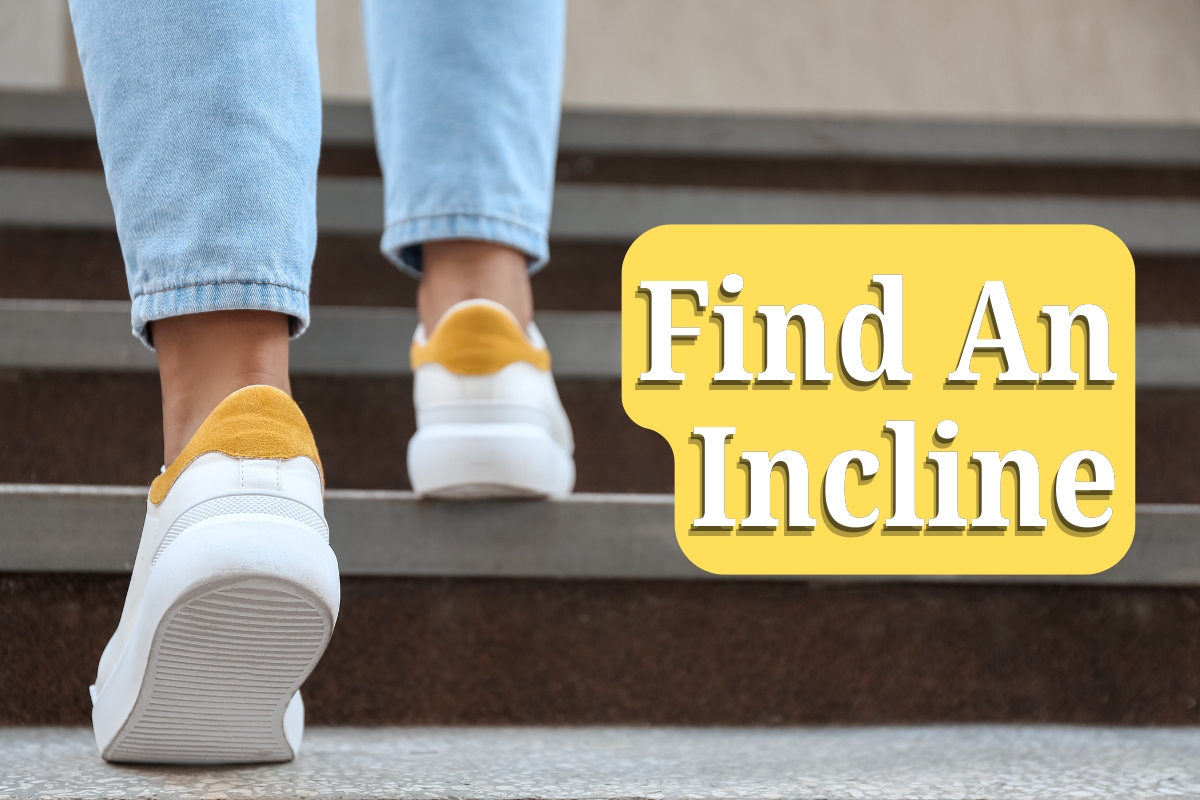
Walking uphill changes the angle of impact and increases the load on your hips and femur – two critical areas for bone health. Gravity acts as your natural resistance coach here. A set of stairs works well. If you’re outdoors, look for a gentle hill. If you’re on a treadmill, even a 3% grade makes a significant difference in how your skeleton perceives the load.
3. Wear a Heavy Backpack
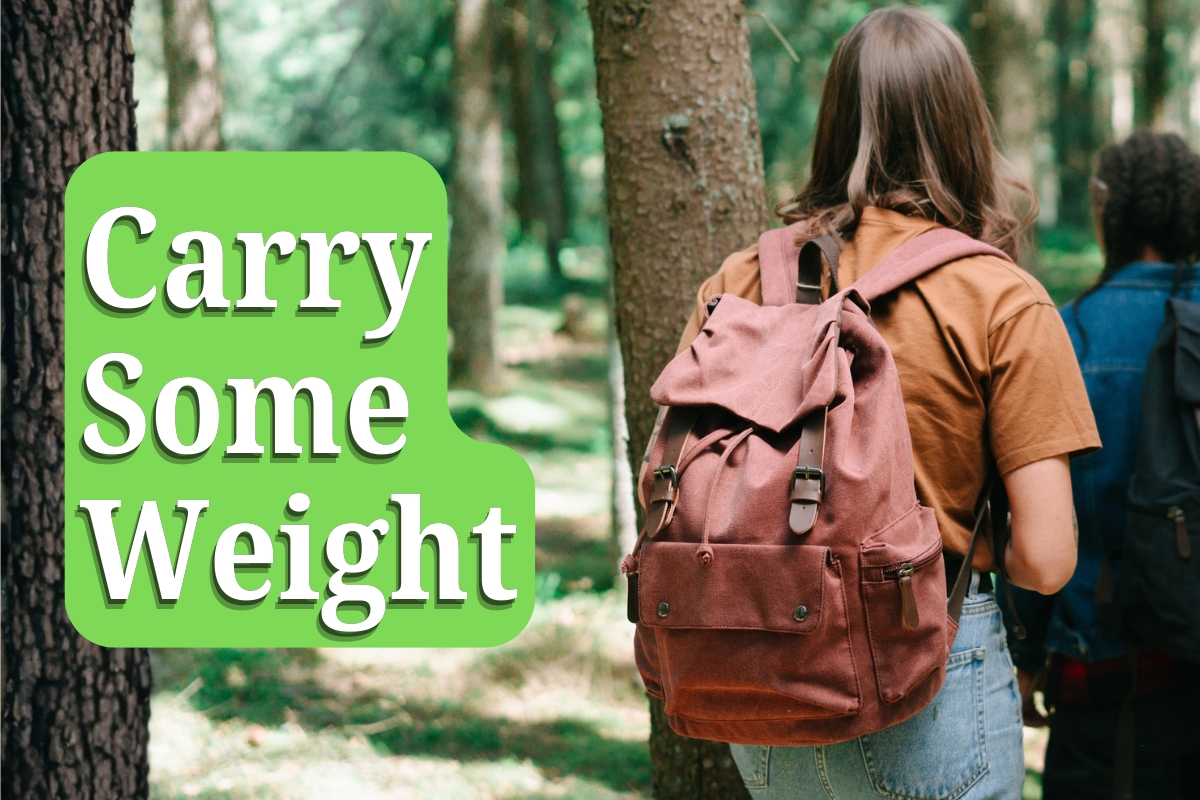
To upgrade your bone-building potential without changing your pace, try adding some weight to your walk. A small amount of external weight (usually 5–10% of your body weight) provides a constant, increased load. This tells your skeletal system that it needs to maintain a denser structure to support the extra weight.
Strengthening Your Foundation
While walking is a fantastic base for overall health, “bone-building” requires us to occasionally challenge our comfort zones. By adding intervals of higher impact, seeking out inclines, or adding weight, you’re transitioning from “just moving” to actively fortifying your frame. These small adjustments are the key to maintaining a resilient body and protecting yourself against the risks of osteoporosis for the long haul.
Want to know more about today’s topic? Do you have a suggestion for future posts? Leave a comment below – I’d love to hear from you!

0 Comments