


Why your muscles won’t let go
Does this sound familiar? Your muscles feel tight and stiff. So you spend a few delicious moments stretching, or maybe treat yourself to a deep-tissue massage. And it feels just heavenly in the moment. But before long those muscles start feeling tight again. Frustrating! So maybe you stretch longer or pull harder, hoping the muscle will finally release.
The thing is, though, muscles usually don’t feel tight because they’re physically short. Muscles are tight because they’re protective.
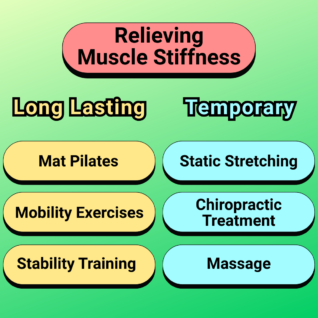 Ask Why Before You Stretch
Instead of treating muscle tightness like a problem that needs to be stretched into submission, we should ask why the body is creating that tension in the first place.
Often, your brain sends a “tighten up” signal in order to protect a joint. The reason? Your deeper stabilizers are not strong enough to maintain proper alignment. These stabilizers are tiny scaffolding muscles – like the transversus abdominis or the multifidus – that hug your spine. When these guys lack the strength to provide structural support, your large movement muscles jump in to compensate. So while a stretch feels good temporarily, the stiffness returns because those big muscles are exhausted from doing a job they weren’t meant to do.
Build Trust from the Inside Out
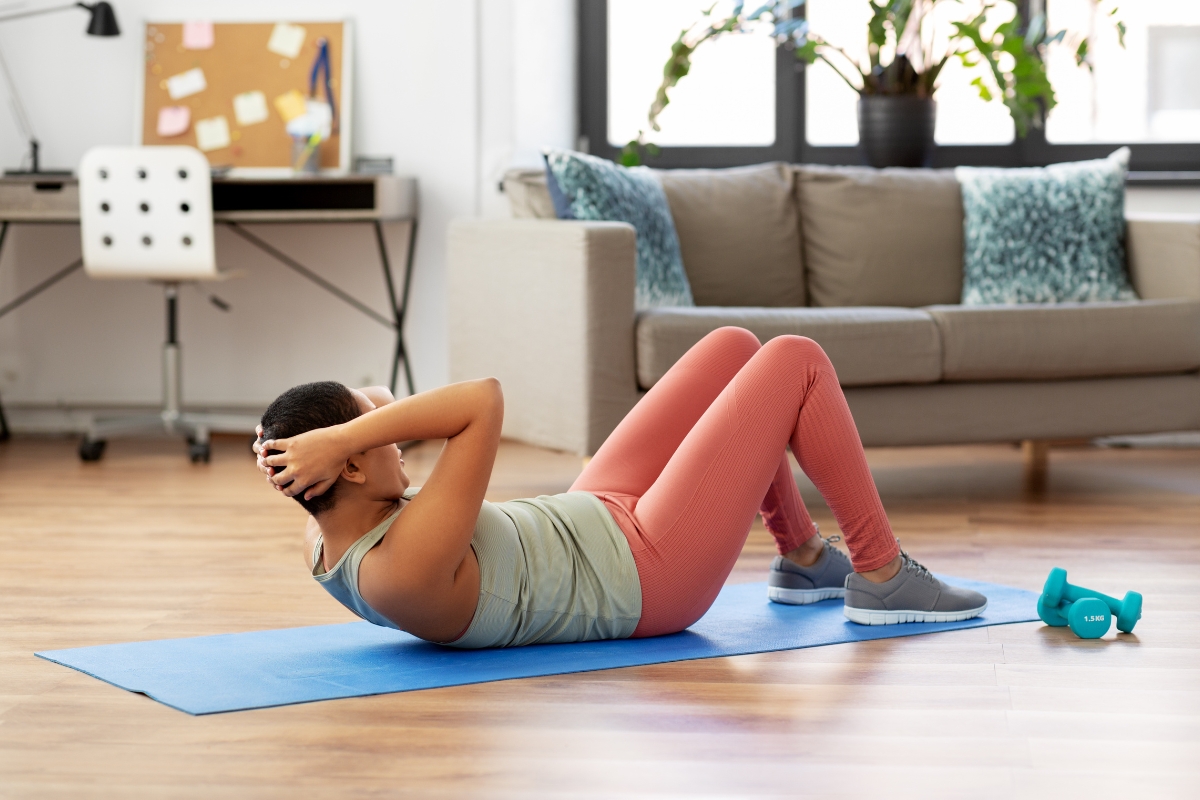
This is where Mat Pilates is a game-changer. By relying on gravity and your own body weight (instead of the heavy springs and Reformer machines), you’re encouraging those stabilizers to wake up. And when they start providing consistent support for your frame, your mover muscles finally realize they can relax. They stop gripping because they trust the foundation.
Focus on Precision, Not Power
You don’t need to crush a workout to fix tension. In fact, overworking often makes the body grip even more. The magic is in the precision. Practicing Mat Pilates two or three times a week retrains your nervous system and teaches your body to move without constant bracing. It’s about convincing your brain that you’re safe and supported, so it can finally let go of that defensive tightness.
Finding Lasting Relief
Chronic tension is usually a stability problem, not a flexibility problem. Instead of trying to stretch a muscle out, it’s better to support it from within. When you build that deep internal strength, the stiffness should disappear and that freedom of movement should stay for the long haul.

Want to know more about today’s topic? Do you have a suggestion for future posts? Leave a comment below – I’d love to hear from you!

I want to know more about today’s tip regarding stability problem. What exercise(s) should I do?
Keep doing Pilates and mobility, Gail! You’re on the right track.