
Let’s have a heart-to-heart about where we get our health information these days. As a certified fitness professional, it’s a topic close to my heart.
Before social media, if you wanted fitness advice you sought out a trainer like me at the local gym, or spoke with a physical therapist.
That’s all changed now. Today, “expert” advice follows us everywhere – on our phones, in our newsfeeds, and through videos that pop up while we’re just trying to check the weather or the news.
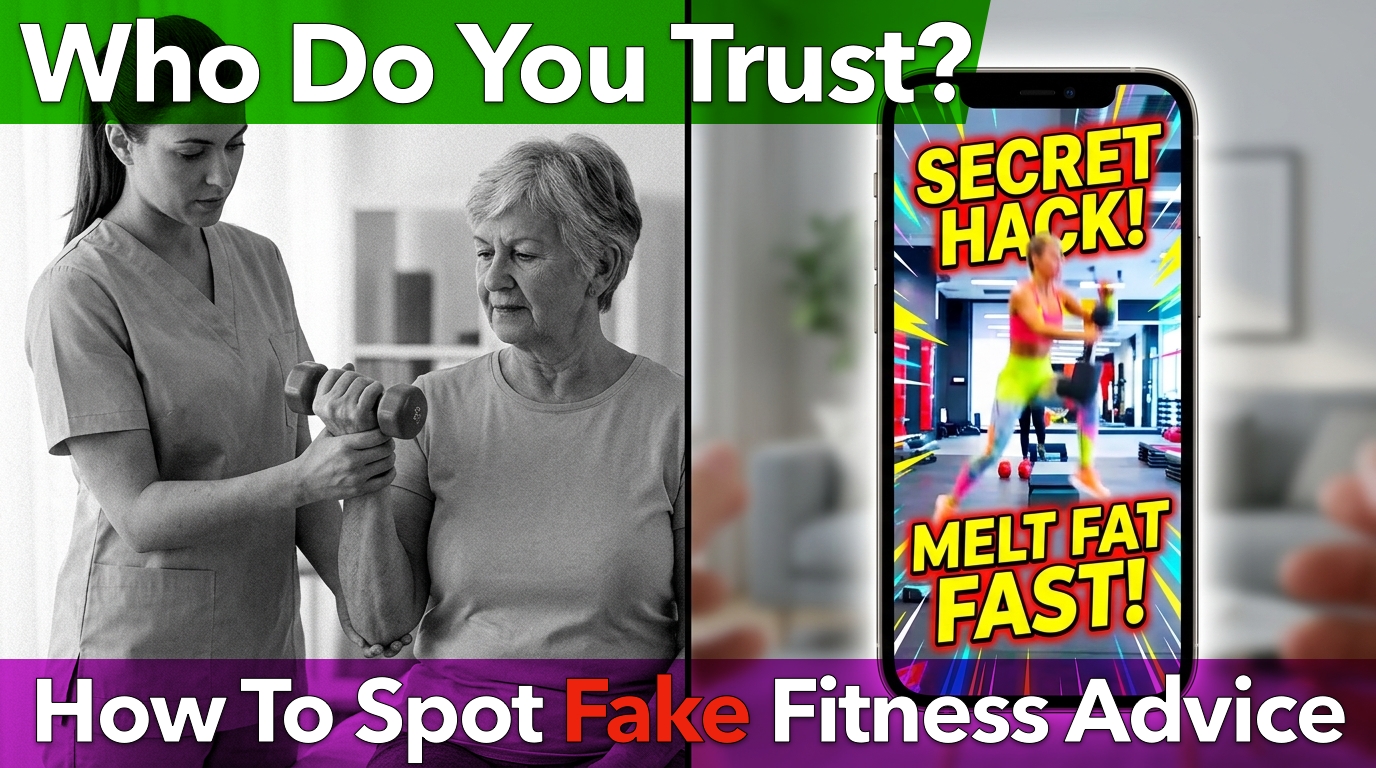
These videos often feature charismatic, fit individuals promising quick results with “miracle” movements, “secret” diets or “must-have” supplements. They look professional and convincing.
But there’s a hidden side to this digital fitness craze. The reality is that many of these popular figures are “influencers,” not certified professionals.
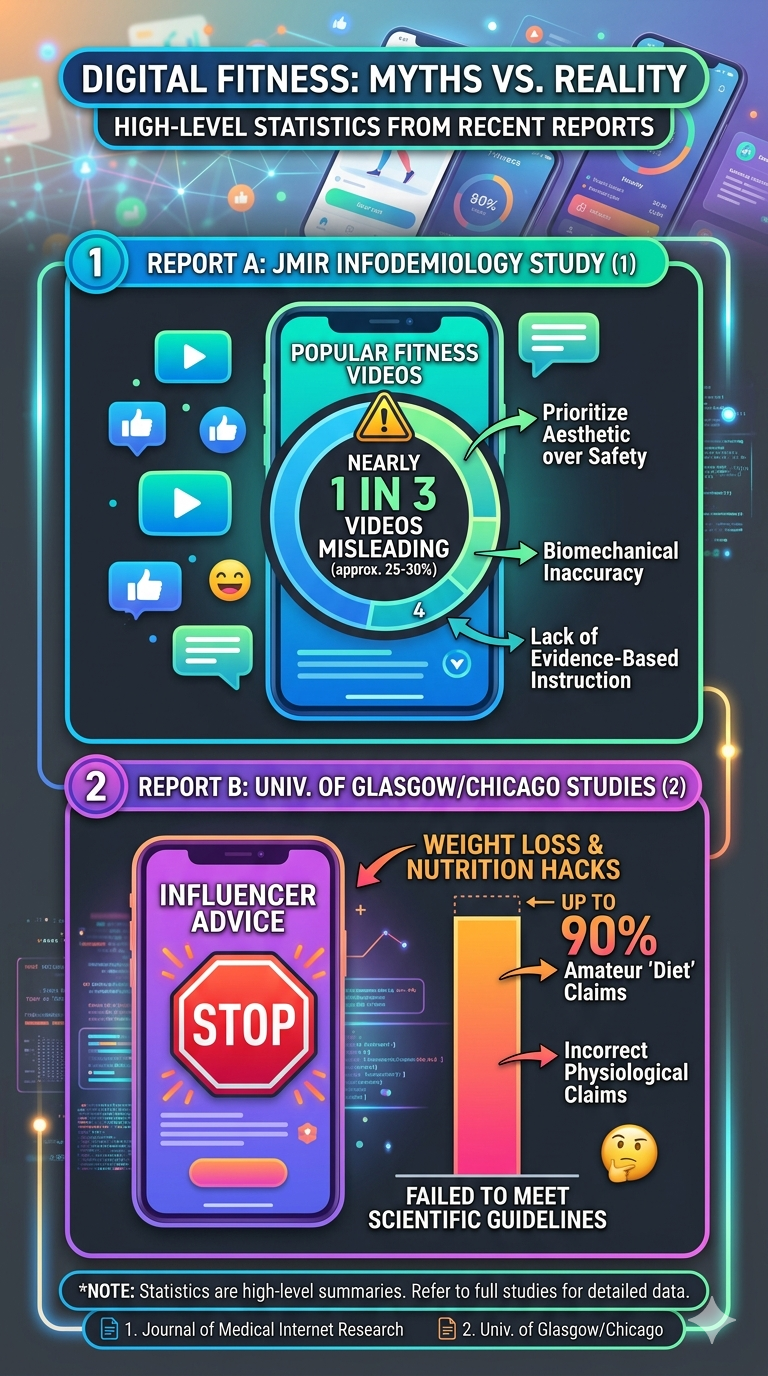
Recent studies analyzing health content online have found that nearly one in three of the most-watched fitness videos contains misleading or outright incorrect information.
When it comes to specific weight-loss advice the numbers are even more startling, with research suggesting 90%(!) of popular online tips fail to meet basic medical or nutritional standards.
Your body is a complex, finely tuned system. Entrusting it to a stranger with a camera but no credentials can be a recipe for injury.
The “Looking Good” vs. “Moving Well” Gap
It’s easy to assume that because someone looks incredibly fit, they understand the science of how the human body works.
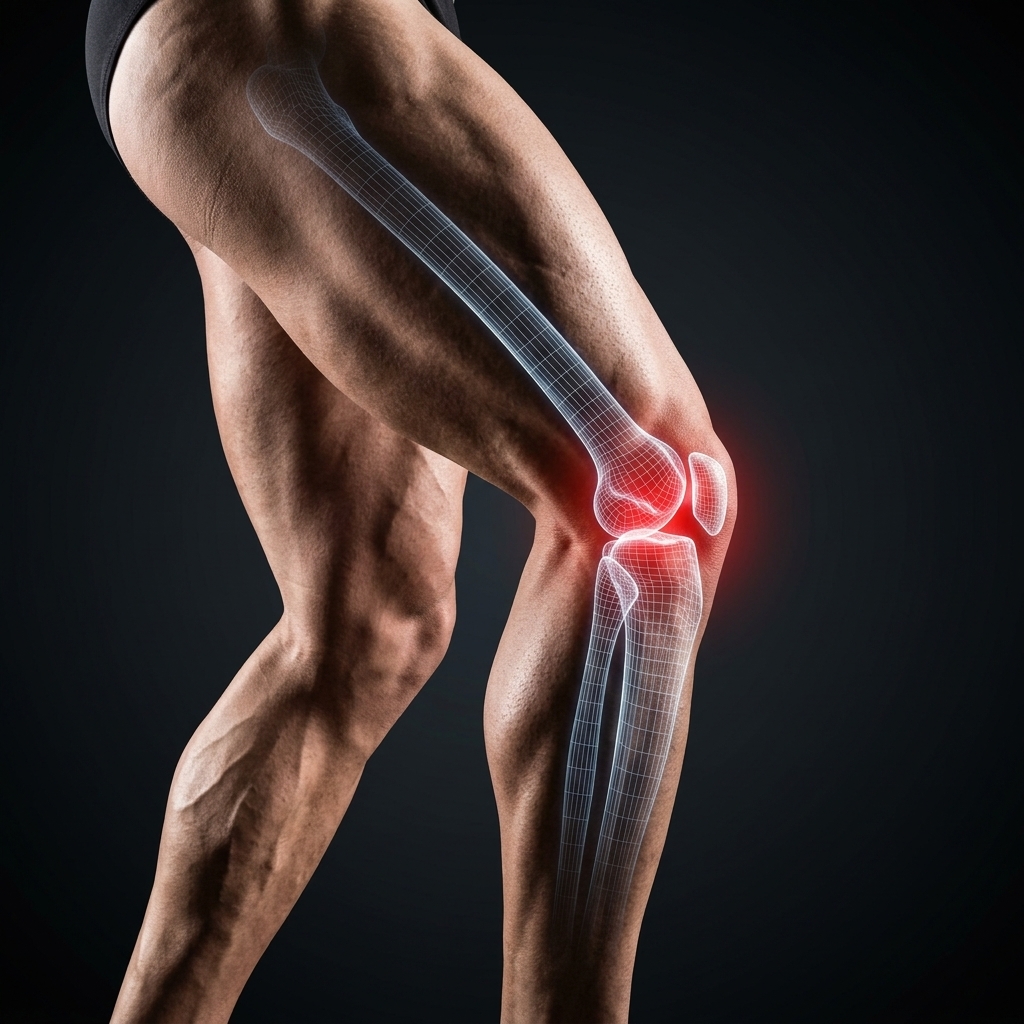
But a lot of fitness influencers are selling an aesthetic – a specific look – rather than a safe, functional method. An exercise that looks impressive in a video might actually be placing unnecessary or dangerous strain on your joints.
Scientific Context: Research published in the Journal of Medical Internet Research indicates that a significant portion of “popular” fitness content lacks evidence-based instruction, often prioritizing visual appeal over biomechanical safety.
The Danger of “One-Size-Fits-All”
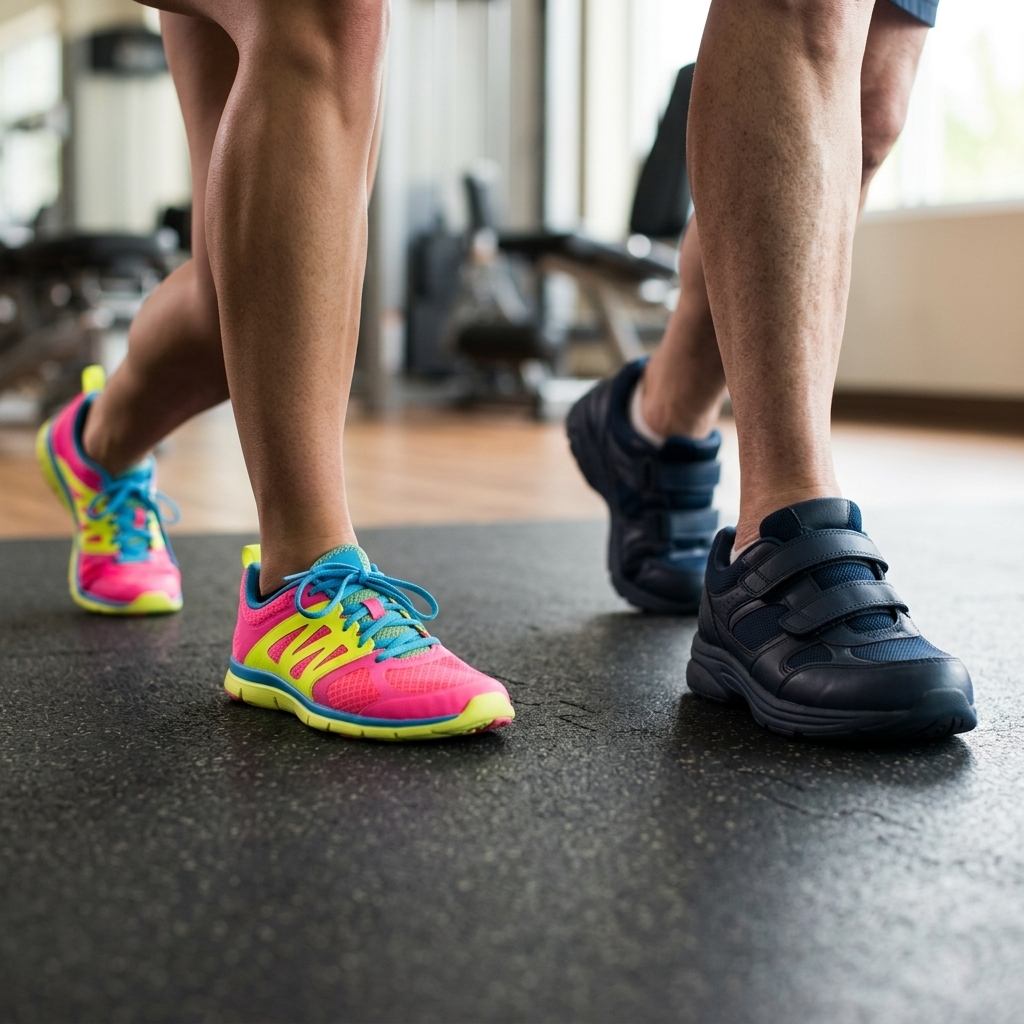
Professional fitness coaching is a conversation, not a broadcast. A true expert takes into account your bone density, any past injuries and your current mobility.
On the other hand, online videos give the same instructions to everyone – regardless of their physical history.
Following “viral” trends without professional modification can lead to torn ligaments, back strain, or metabolic exhaustion.
Scientific Context: A study from the University of Chicago found that when it comes to nutritional and exercise “hacks” on social platforms, only about 10% of the advice comes from accounts with actual health qualifications, leading to a high risk of “public health misinformation.”
Beware the “Miracle” Language

If you hear someone promising to “blast away” fat in a week or “fix” your hormones with one specific move, be very cautious. These are marketing terms, not biological realities.
Sustainable health is a slow, steady process of adaptation. Real science is rarely flashy and it almost never happens overnight.
Who is Holding the Microphone?
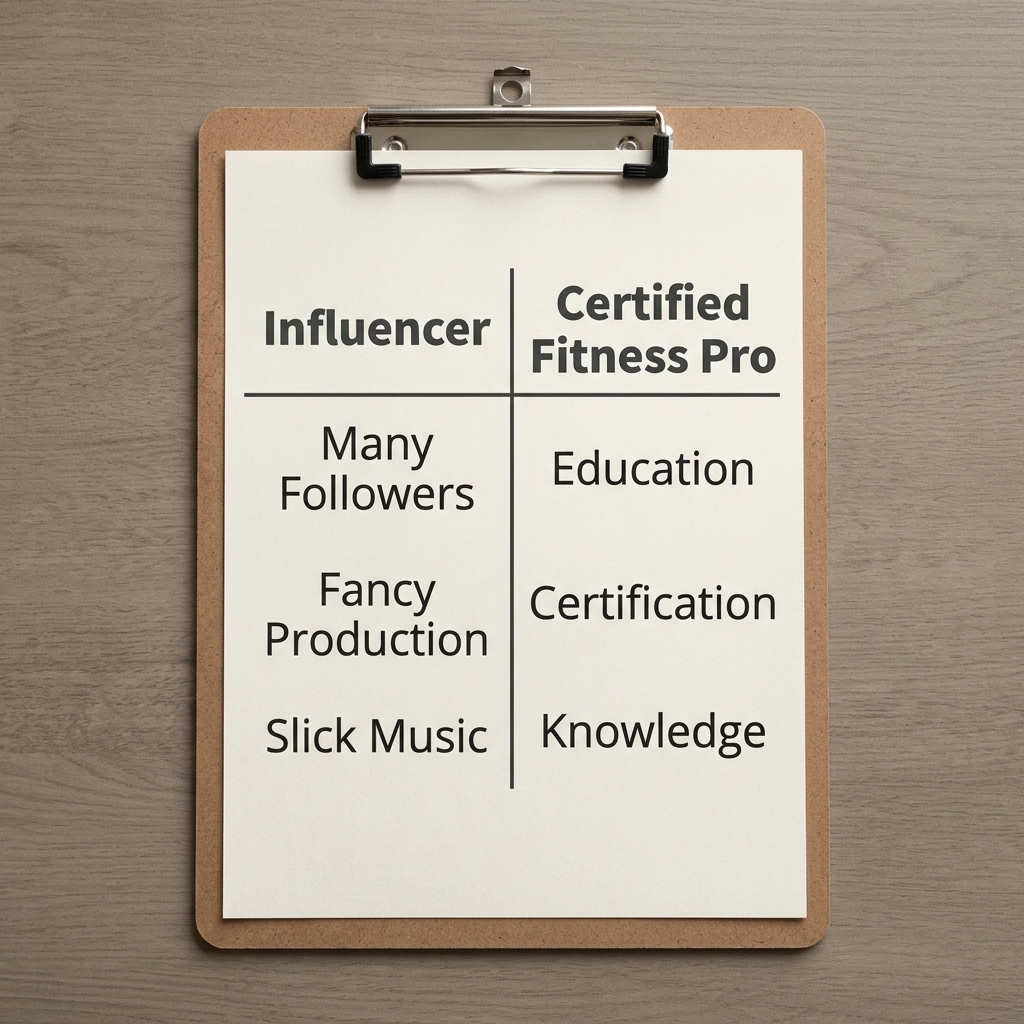
Before trying a new movement you saw online, ask yourself: “What are this person’s qualifications?”
Having a lot of followers isn’t the same as having a professional certification, licence or degree.
Your health is too important to be used as an experiment for someone else’s popularity.
The Bottom Line
The internet has made it easy to find information, but hard to find the truth. Please be your own gatekeeper. Movement should make you feel empowered, strong and capable, not leave you injured because of an influencer’s “shortcut.” Stick to evidence-based practices, listen to your own body’s signals, and trust the experts who value your safety over their “likes.”

0 Comments