

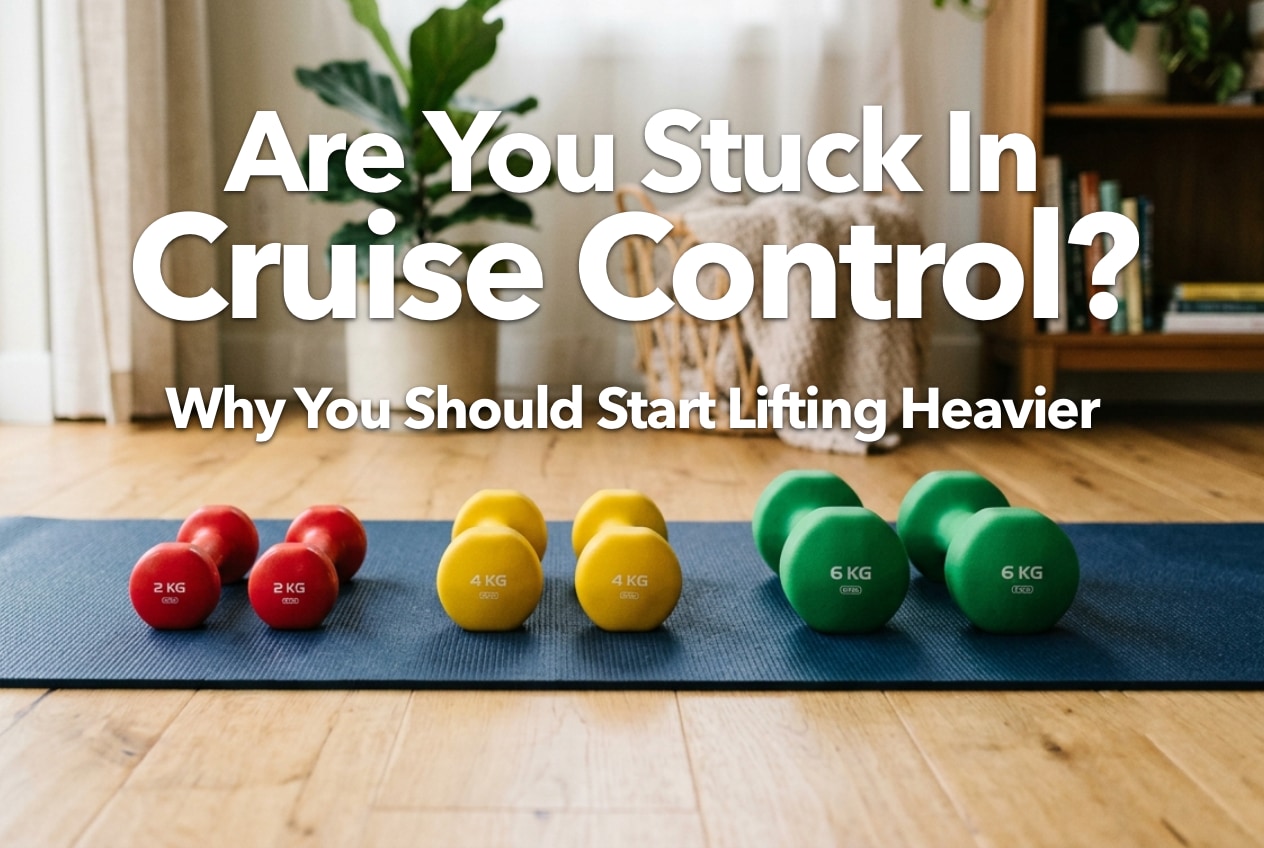
You’ve probably heard me mention this in class: if you’ve been using the same five-pound dumbbells since the day you joined, your muscles have quietly slipped into cruise control.
It’s not laziness, it’s biology. Our bodies are remarkably efficient, and once they’ve adapted to a challenge, they stop working as hard to meet it.
The good news? The fix is simple, and it’s called progressive overload, the very same principle that explains why life’s toughest moments often leave us stronger, not weaker.
Comfortable Is Not the Goal
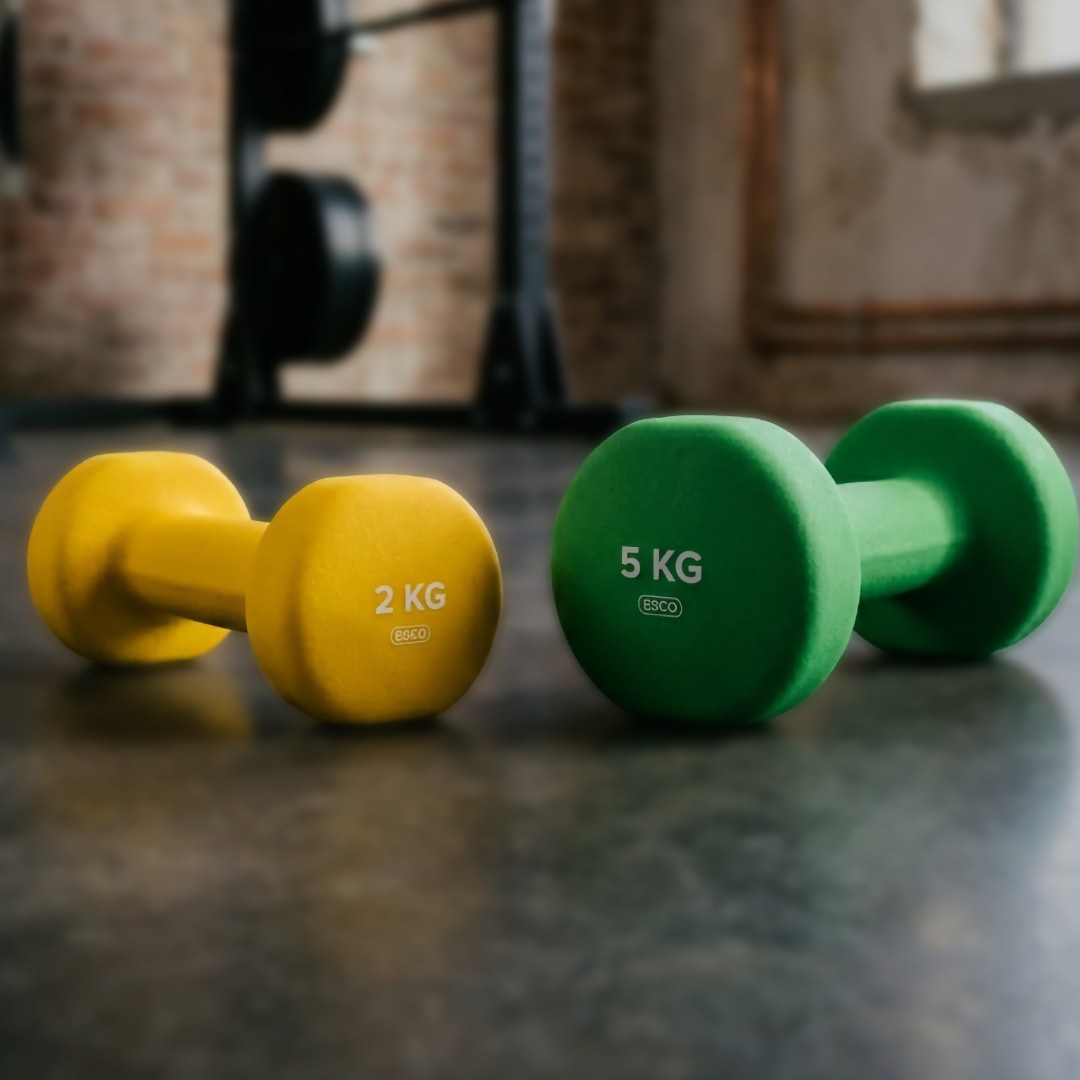
Muscles only get stronger when they’re asked to do something they’re not quite used to yet. According to the American College of Sports Medicine, ongoing strength gains depend on progressively increasing the demand you place on your muscles; without it, your body simply maintains, rather than improves.
Try the “Two More” Rule

Here’s an easy way to know it’s time to size up: if you can comfortably complete two more reps than your target, for two workouts in a row, your current weight has stopped being a challenge. That’s your cue. In BodySculpt, I’ll often nudge you toward the next set of dumbbells when you sense this happening.
Small Jumps, Steady Gains
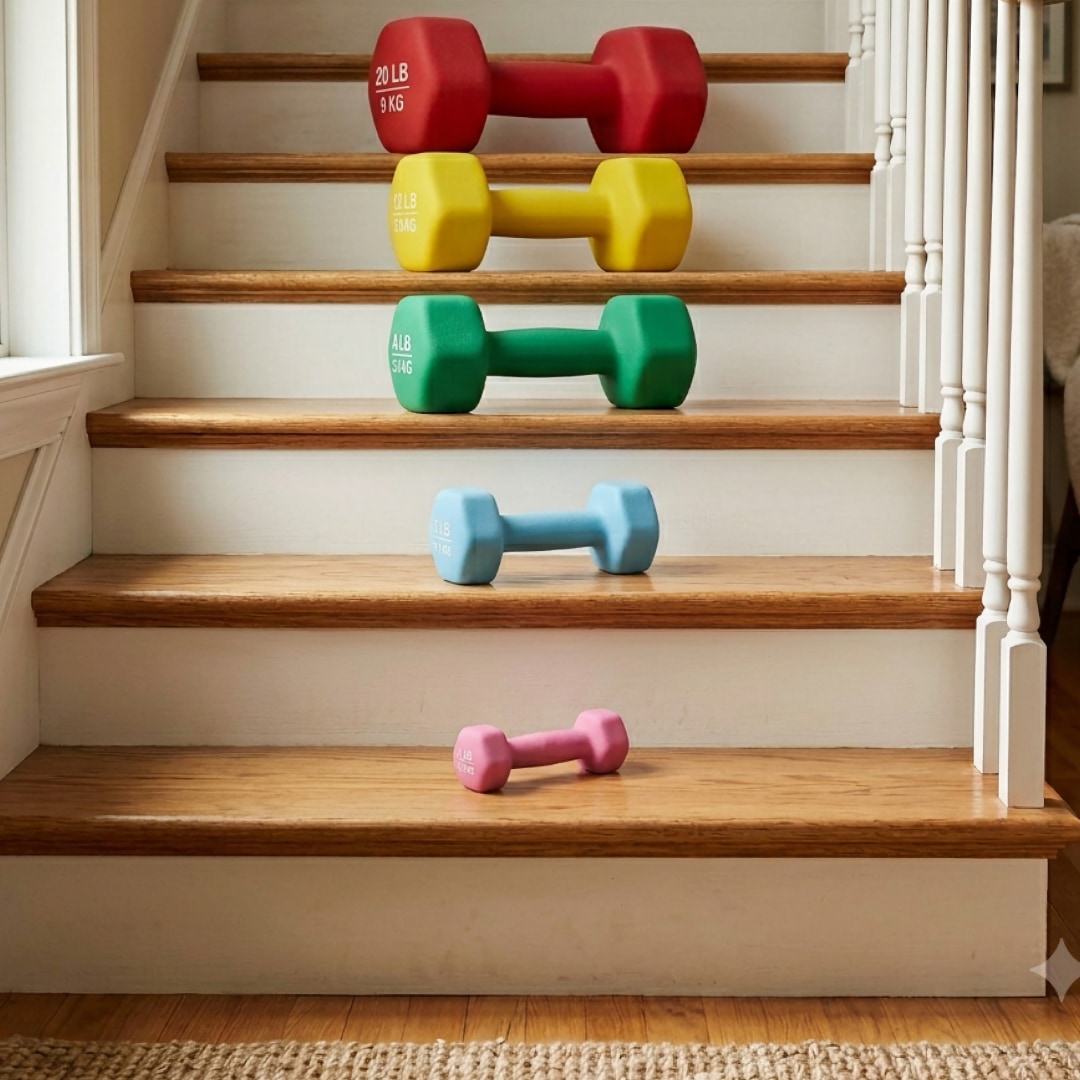
Don’t make the mistake of suddenly going super heavy; small, steady increases of about five to ten percent are enough to keep your muscles adapting safely. This matters even more as we get older, since our connective tissue prefers a gradual dial-up rather than a sudden jump. Your joints will thank you.
Let It Spill Into Real Life

There’s a reason this principle feels so familiar. Think about the emotional, work or family challenges you’ve pushed through over the years; chances are you came out the other side a little tougher, a little more capable. Muscles work exactly the same way. Resilience, whether physical or emotional, is built by meeting a challenge slightly beyond what’s comfortable.
Step Off Cruise Control
The next time you reach for those same old dumbbells out of habit, pause and ask yourself whether they’re still doing their job. Progressive overload doesn’t mean lifting heavier just for the sake of it; it means giving your muscles a reason to keep adapting. Whether you join me live or pull up a BodySculpt video in the library, I’d love to help you find that next challenge, one small, steady step at a time.
For More Information
- Harvard Health Publishing: “Resistance training by the numbers”
- American College of Sports Medicine: “Progression Models in Resistance Training for Healthy Adults” (Position Stand, Medicine & Science in Sports & Exercise)

0 Comments