


As a certified nutrition counsellor, I’ll admit I’m a bit of a nerd about food and nutrition. I’m always fascinated by what the research is saying and how the trends are shifting,
Lately, fibre has been getting a lot of attention. Food-industry trend reports have even dubbed it “the new protein.” And no wonder: like protein, fibre is an essential nutrient. It keeps things moving and can help us feel fuller for longer.
But as important as fibre is, most people get less than half the amount recommended by Health Canada. But if you add too much too quickly, your gut will let you know – usually with bloating and gas. So let’s talk about how to get the benefits without the downsides.
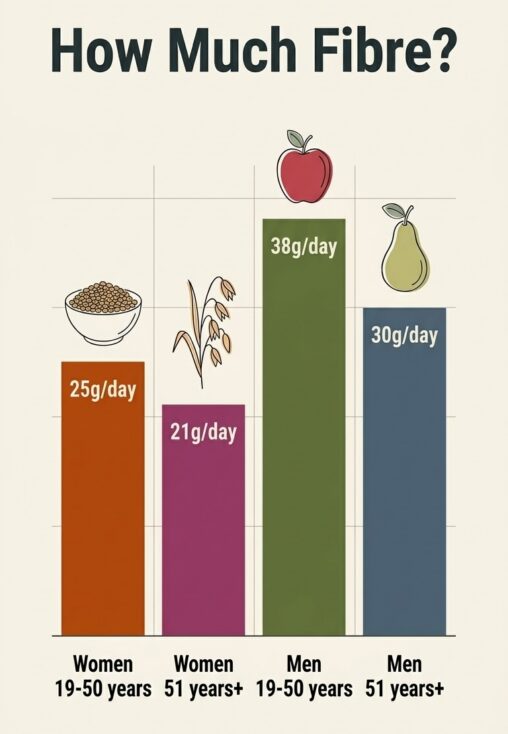
Know Your Number
Most women need about 25 grams of fibre a day, and men need about 38 grams. Many of us land well short of that, so knowing your number is a useful starting point. As we get older, the target shifts a little, so it’s worth checking what’s right for you. And if you’re already at your goal, there’s no need to chase more. Harvard Health notes that going well beyond recommended amounts offers no proven added benefit and can cause discomfort.
Don’t Rush It!
 Your gut needs time to adjust, so raise your intake over a few weeks rather than overnight. Harvard Health recommends boosting fibre slowly and spreading it out over the day. One of the gastroenterology experts quoted in NutraIngredients describes the gut as something that needs training, like a muscle. Add one extra serving of beans, a bowl of oatmeal, or an apple, then give it a few days before adding more.
Water Is Your Friend
 Fibre works with water, not against it. The Heart and Stroke Foundation suggests having plenty of fluids, such as water or soup, whenever you eat high-fibre foods.
Sip steadily through the day rather than gulping a glass all at once, and you’ll make it easier for fibre to do its job.
Choose Whole Foods First
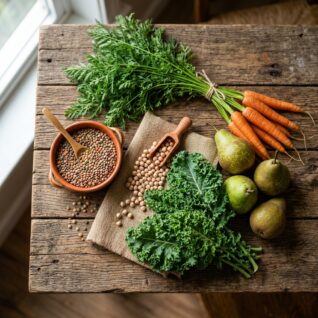 Beans, lentils, oats, berries, and vegetables with their skins on give you fibre along with other good nutrients. Health Canada lists whole grains, legumes, fruit, vegetables, nuts, and seeds as good sources. Harvard Health also advises favouring whole foods over supplements. There are fibre supplements on the market, but whether one is right for you is a conversation for you and your doctor or another qualified practitioner. Personally, I’m a firm believer in getting what you need from the meals you eat wherever possible, and I’d always check with your medical team before adding a supplement to your routine.
Your Gut Will Thank You
Whether fibre becomes the next protein or not, it’s a habit that suits active people like you. Nutrition is one of the three pillars of good health, alongside strength and resistance training (which we build in my BodySculpt classes) and good sleep hygiene. Know your daily number, add fibre a little at a time, keep up with your water, and fill your plate with whole plants.
If you have questions about nutrition, I’d be happy to book a session with you. You can find out more on my nutrition coaching page.
If you take a GLP-1 medication or have ongoing digestive concerns, please check with your doctor or a registered dietitian before making big changes.
For More Information
- Health Canada. “Fibre.” Last modified July 11, 2025. Link
- Heart and Stroke Foundation. “Fibre and whole grains.” Link
- Hendley, J. (2026, July 23). “Are you eating too much fiber?” Harvard Health Publishing. Link
- Haslam, O. (2026, September 30). “Gut microbiome needs time to adapt to fibermaxxing, experts warn.” NutraIngredients. Link
- Southey, F. (2025, December 11). “Food trend predictions 2026 – and it’s not all about protein.” FoodNavigator. Link

0 Comments