

If you’ve been told you have osteoporosis or osteopenia, you might feel like your active life just hit a wall. The diagnosis can be unsettling.
But here’s what I want you to know right from the start: having lower bone density doesn’t mean you need to stop moving. In fact, the opposite is true. The right kind of movement is precisely what your bones need to stay resilient and strong.
Once we’re past our 20s, bone health becomes a bigger priority. With the right approach to exercise, supportive nutrition, and yes, sometimes medication, you can absolutely keep doing the things you love.
Here are five essential strategies for bone health:
1. Strength Training Is Your Bones’ Best Friend
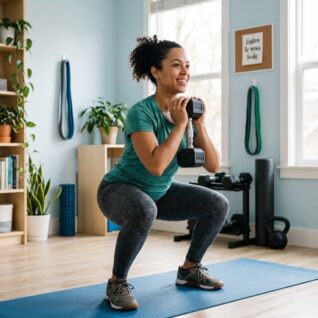 Your bones respond to mechanical loading; they need dynamic, repetitive force to grow stronger. This is where resistance work makes all the difference. When you engage muscles against resistance, you create tension in your bones that signals them to build density and strength.
Research shows that consistent strength training over six months leads to significant improvements in bone mineral density, particularly in the lumbar spine. My BodySculpt classes are specifically designed to give you this type of loading; we work with resistance (bands, dumbbells or gravity) to challenge your muscles while keeping your form safe and controlled.
Over age 30, strength training should be a cornerstone of your bone health strategy.
2. Don’t Fear the Jump; Embrace It
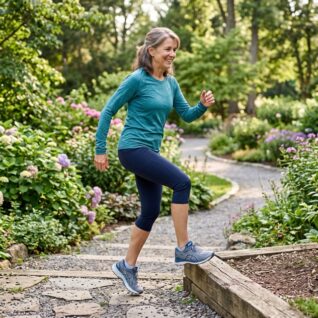 I know jumping can feel intimidating if you have concerns about your bones, but the research is clear: high-impact, weight-bearing activities like jumping are among the most effective ways to stimulate bone formation.
The impact force signals your skeleton to strengthen itself. Studies show that just 50 jumps per day, performed four times a week, can improve bone density at the hip and femur; even smaller doses help. You don’t need to do them all at once; breaking them into short sets throughout your day works beautifully.
If jumps feel too advanced right now, or your joints won’t tolerate it, gentler impact activities like brisk walking or even heel-drop exercises (where you rise up on your toes and gently drop back down) offer similar benefits. Start where you are, progress at your own pace, and remember that any impact is better than none.
3. Balance Training Prevents Falls
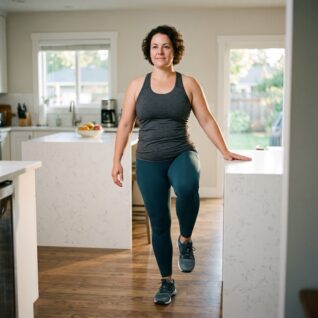 Having stronger bones is important; preventing a fall in the first place is even better. Challenging balance exercises not only improve your proprioception and stability; they also strengthen the muscles that support your skeleton and help you catch yourself if you stumble.
Research shows that multi-modal exercise programmes including challenging balance training can reduce fall risk by up to 39%. BodySculpt incorporates deliberate balance work; we strengthen your legs, improve your core stability, and train your body to stay upright under real-world conditions.
Simple practices like standing on one leg while brushing your teeth, walking heel-to-toe along a line, or side-stepping with resistance all count. Consistency matters more than intensity; even 10 minutes of focused balance work daily creates measurable improvements.
4. Weight-Bearing Matters Every Single Day
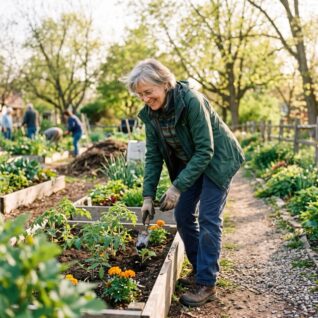 Beyond structured exercise, the cumulative effect of weight-bearing activity in daily life adds up. Walking, gardening, hiking, and even dancing all contribute to bone health because they require your skeleton to support your body against gravity.
The key is consistency and some variety in intensity; gentle daily walking supports cardiovascular health, but adding in some briskness, hills, or uneven terrain increases the loading stimulus on your bones. You don’t need a gym membership or special equipment; your own body weight is a powerful tool.
Walking on its own, though, isn’t enough. You need to strength train 2 – 3 times per week!
5. Nutrition and Medical Support Matter Too
 While exercise is foundational, nutrition and sometimes medication play important roles. Calcium and vitamin D are essential for bone health; you’ll find calcium in dairy products, leafy greens, and fortified foods, while vitamin D comes from sunlight exposure and foods like fatty fish, egg yolks, and fortified milk.
A qualified nutritionist or your doctor can assess whether you need supplements based on your individual needs. If your bone loss is significant, your physician may recommend medications to slow bone loss and reduce fracture risk. The combination of exercise, proper nutrition, and sometimes medication creates the most powerful approach to managing osteoporosis.
Moving Forward With Confidence
The narrative around osteoporosis doesn’t have to be one of decline and limitation. Your bones are living tissue that responds beautifully to the right stimulus; strength training, impact exercise, balance work, daily weight-bearing movement, and proper nutrition create a powerful toolkit for building and maintaining bone density.
If you’re living with osteoporosis, you’re not broken; you’re simply learning how to move in ways that serve your skeleton best. For those in the prevention stage, consistency now will pay dividends later.
Join me in my BodySculpt classes, where we build strength, balance, and bone health together; or explore the dozens of options in my video library at your own pace. Whether you’re just starting out or already active, remember this: osteoporosis is manageable, and your active life isn’t over. It’s just evolving in ways that make you stronger.
For More Information
On Exercise and Bone Health:
- Mayo Clinic: “Exercising with osteoporosis: Stay active the safe way”
LinkOn Strength Training for Postmenopausal Women:
- NCBI/NIH: “Effect of Strength Training Protocol on Bone Mineral Density for Postmenopausal Women” (2022)
LinkOn Impact Exercise and Fall Prevention:
- Frontiers in Physiology: “Effects of exercise interventions on fall-related functional performance in postmenopausal women with osteoporosis” (2026)
LinkOn Medication Options:
- PubMed Central: “Cardiovascular Safety and Effectiveness of Bisphosphonates”
Link

0 Comments