

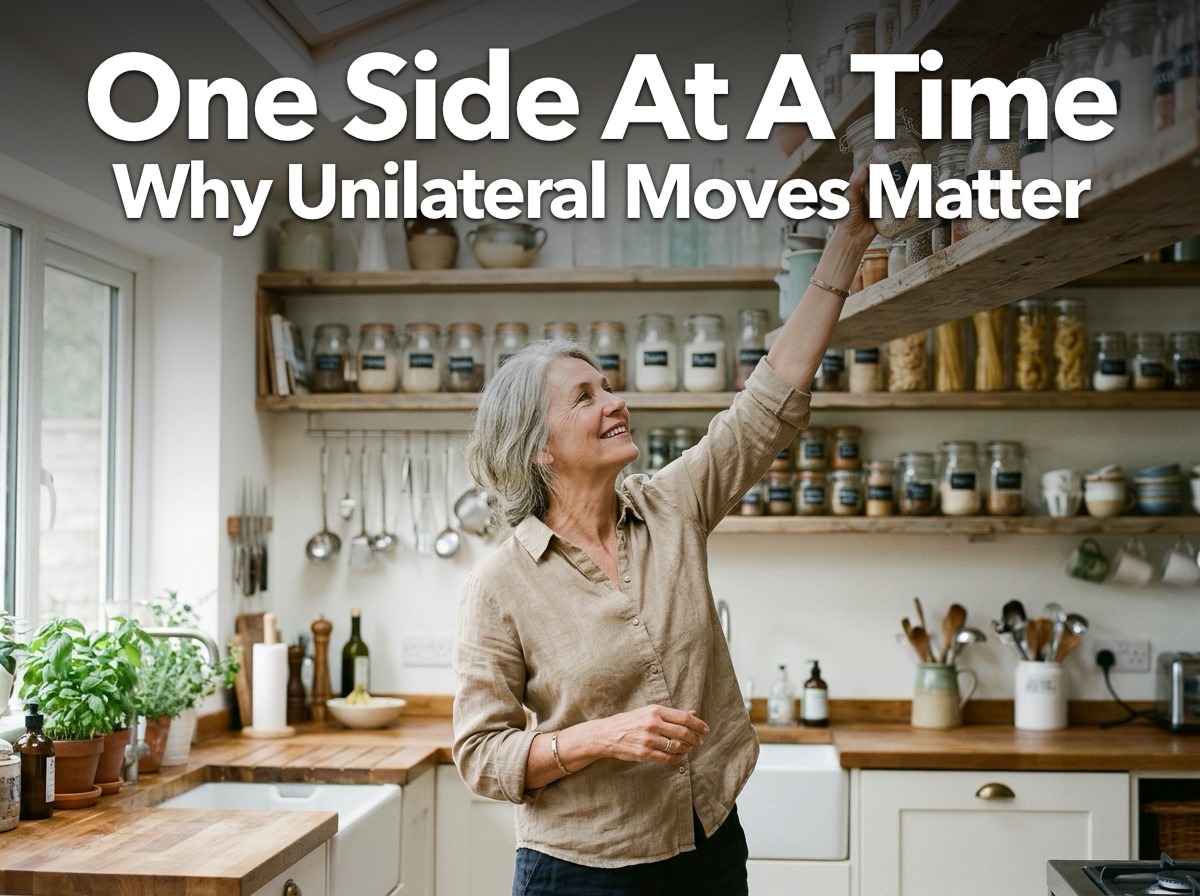
Pick up a bag of groceries. Pull open a heavy door. Step out of your car. Grab something from the top shelf. When you think about it, a lot of what we do every day happens one side at a time. That’s why unilateral exercises deserve a spot in your fitness routine.
Most of Life Happens on One Side
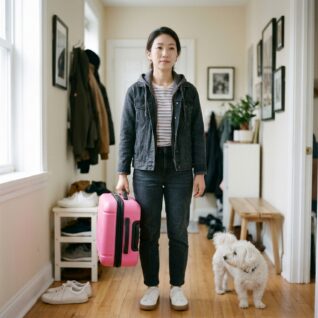 Reaching for the top shelf, carrying a grocery bag on one hip, lifting a suitcase into the trunk: these are all unilateral tasks. A lot of trainers focus on training both sides at once, with a regular squat or a bench press, but our bodies rarely work that way. Unilateral training practises the exact patterns you use every day, so the tasks you already do start to feel easier.
Every Step Is a Balancing Act
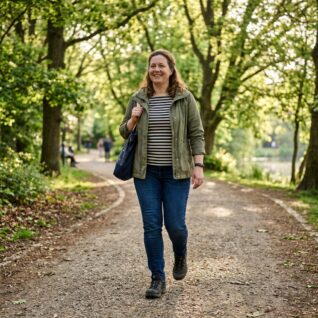 When you walk, you’re standing on one leg for a brief moment with every stride. Those split seconds are where your hips, ankles and core do quiet, important work. In my BodySculpt classes, I include plenty of unilateral moves that build that same stability: single-arm overhead presses, single-arm biceps curls, single-leg deadlifts and side planks. Each one asks your body to hold itself steady on one side, which is exactly what a sidewalk, a staircase or an uneven garden path demands.
Train One Side, Help Both
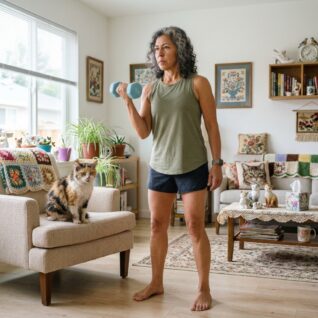 Unilateral training isn’t only about single-arm moves. Working one leg at a time counts too. When you train one arm or one leg, the other side often picks up some strength as well. Researchers call this cross-education. Single-sided moves also ask your core to keep you upright, since your body has to resist the pull to tip sideways. Training each side on its own also makes it harder for your stronger side to quietly take over. Plenty of classes in the video library are tagged unilateral, so search for it, or join me live, where we often do these exercises in BodySculpt class.
A Note About Balance
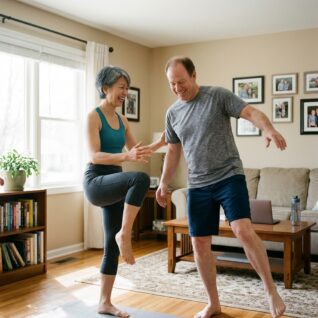 Many unilateral exercises involve some degree of balance. Standing on one leg is a simple way to check how your balance measures up. In a Mayo Clinic study of healthy adults over 50, one-leg balance declined with age faster than walking pattern, grip strength or knee strength. The study notes that struggling to hold on for just 5 seconds is a concern, while balancing on one leg for 30 seconds is doing very well after 65. Try it beside a kitchen counter, with a light touch for safety. Balance is its own topic, and one we practice often in class, but single-leg moves are a natural way to keep practising it.
Bringing It Home
Life rarely asks us to use both sides equally, so our training shouldn’t either. Unilateral moves build the steadiness and strength that make groceries, suitcases and stairs feel easier. Start with one or two of these ideas this week, and notice how your everyday tasks begin to feel a little lighter. Search “unilateral” in the library, or join me in a live BodySculpt class!
For More Information

0 Comments